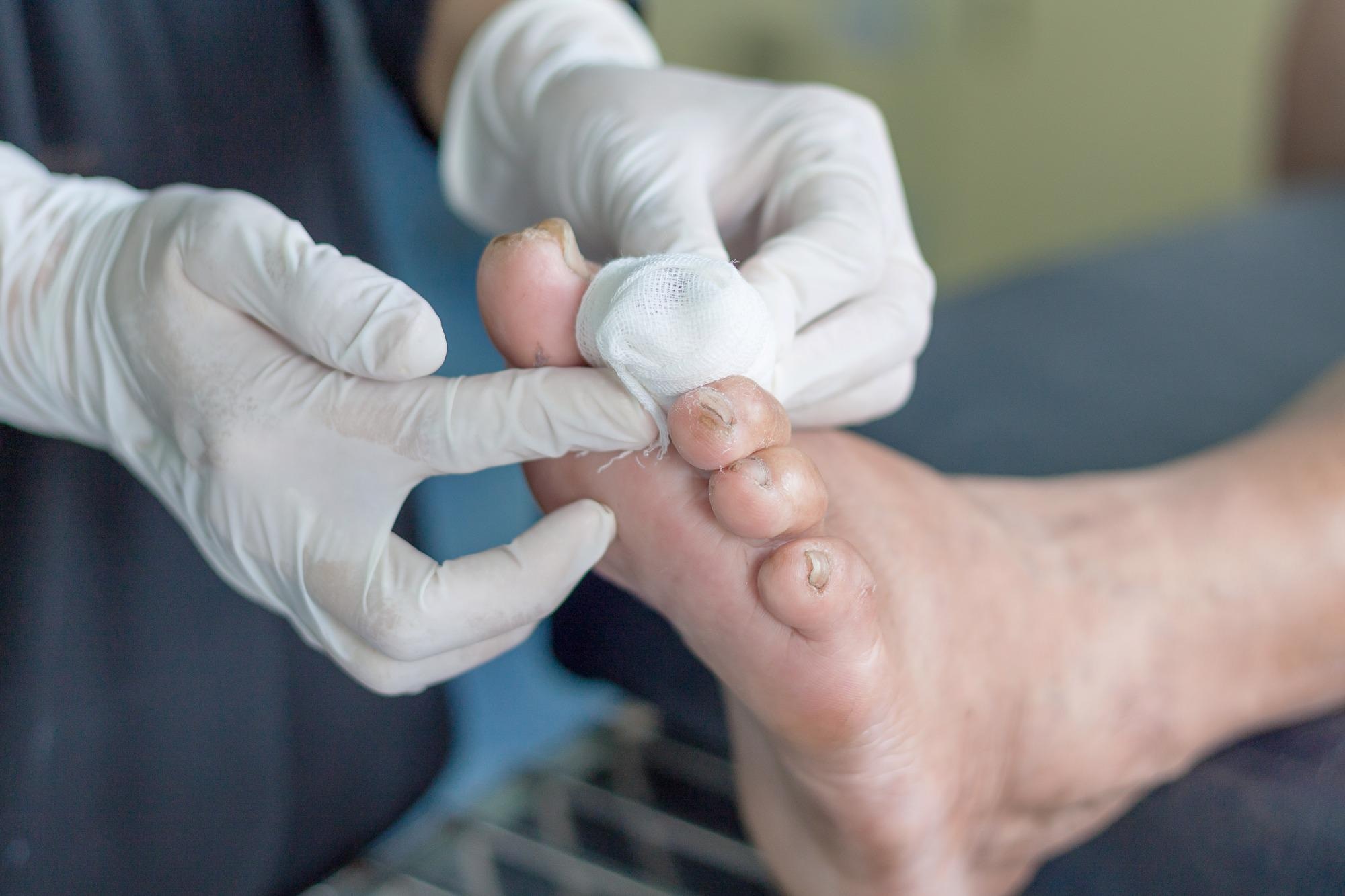
More than a quarter of American older adults suffer from diabetes, a chronic illness which can trigger a variety of complications. A staggering 10% to 15% diabetics are afflicted with leg and foot ulcers. If not treated the seemingly minor injuries can become serious and result in diabetic foot amputation. The majority of amputations result from foot ulcers. This underscores the importance of preventing care and a thorough treatment.
Diabetes management is a complex issue that requires an integrated strategy that goes beyond glucose control. The daily foot care routine is a linchpin in this endeavor that serves as the primary protection against the imminent threat of amputations due to diabetes.
Understanding the Landscape
The world of diabetes and its complications is a complex one. The prevalence of foot and leg ulcers in diabetic patients highlights the need for proactive care. Since the data paints an uncompromising picture the reality is that having a greater knowledge of the complexities is vital in the battle against leg and foot ulcers.
The Amputation Conundrum
The possibility of an amputation is always looming over diabetics. It’s a fact that goes beyond simple statistics, impacting individuals at a purely personal scale. It’s a long way to go from a minor ailment to the possibility of having to be amputated due to diabetes.
Daily Footcare: A Shield to Amputation
The foundation of diabetes amputation prevention lies in daily foot care. This routine isn’t just about keeping the feet clean, it’s an exacting method of identifying and solving potential issues prior to they become serious. This daily routine includes everything from checking your feet for any injuries to applying the proper moisturizing.
The Function of Vascular Specialists
Vascular specialists don’t manage diabetes on their own, but their expertise is vital to reducing complications. To ease discomfort in the legs and speed up wound healing, creating optimal blood flow is an essential element of treatment. Through this collaborative approach it is easy to achieve that we prevent amputations due to diabetes by reducing the effects of this condition.
Strategies to Avoid Amputation
To get through the complex world of diabetes-related amputation risk it is necessary to have a mix of alertness, vigilance, and skilled intervention. A proactive approach is vital for those suffering from diabetes. Regular checkups with healthcare professionals, including vascular experts, can assist in detecting early signs of diabetes and intervene.
Leg Ulcers Learning about the Triggers
Leg ulcers, typically the precursors to more severe complications, require care and understanding. It is vital to understand the factors that can cause leg ulcers. If the cause is poor circulation or neuropathy, or a combination of these conditions, identifying the primary causes will allow for specific interventions.
Education as empowerment
It is imperative to educate patients with diabetes about the dangers of having diabetes and the ways they can help to prevent these risks. Education initiatives in healthcare settings as well as the wider community can help to bridge the gap in awareness. Knowing the possible negative consequences of injuries that seem to be minor may prompt early responses that could help avoid diabetic foot amputation.
Private Battles and Collective Triumphs
The fight against diabetes-related amputations is not just a personal battle; it’s a global triumph. Support networks can offer a space to exchange experiences, share knowledge with others and build coping skills. Faced with amputation risks the emotional strain is often immense. Communities support networks offer strength and solace.
Conclusion: The process of battling ulcers, diabetes and the threat of amputation are multi-faceted. Foot care should be the top priority, however the vascular specialist’s expertise is essential in preventing complications. By increasing awareness, embracing preventive measures, and building an inclusive support system patients with diabetes can navigate the tangled landscape with strength and optimism, while reducing the risk of amputations.