The floor is more than just a surface to accommodate equipment and foot traffic. It plays a significant part in sanitation, safety as well as the long-term sustainability of a professional kitchen. Choosing the appropriate commercial kitchen flooring is not only about appearance; it directly affects sanitation standards, safety of employees, and regulatory compliance. The traditional flooring materials such as tile are often inadequate in highly-demand areas, in which spills, heat and heavy use are constant. The majority of businesses in the area are switching to seamless flooring systems which are better and specifically created for food service areas.
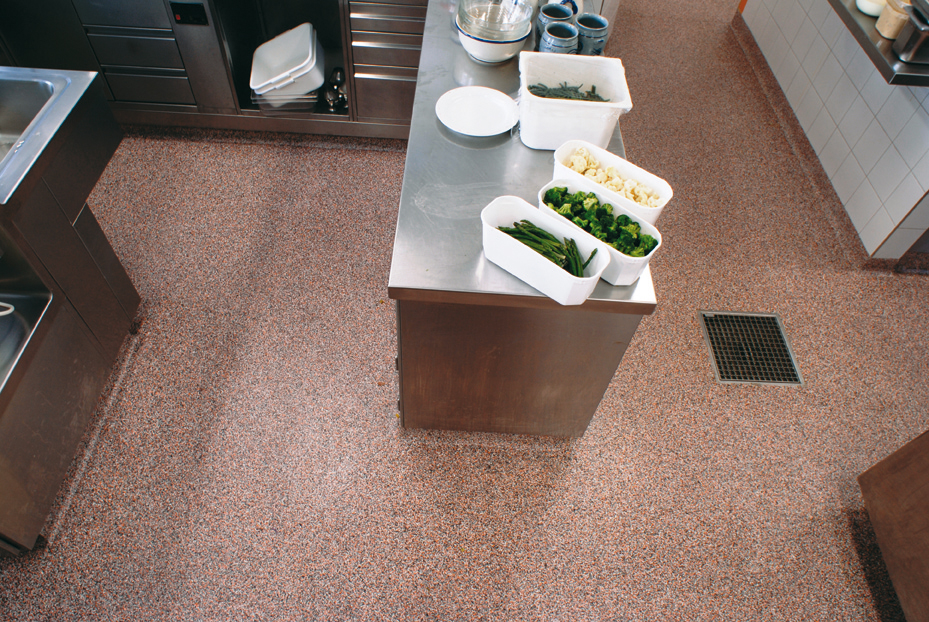
High Performance Systems, a pioneer in flooring solutions, has been providing durable, non-porous floors since 1988. The floors eliminate issues like cracking grout lines as well as contamination by bacteria. They have a wealth of expertise in supplying commercial kitchen flooring NJ which is designed to the specific needs of food processing facilities, as well as commercial kitchens.
Why does Seamless flooring perform better than traditional tiles?
The traditional tile flooring might appear to be an ideal initially however, over time it could lead to hidden issues. Grout lines can absorb moisture, trap food particles and can become breeding grounds for bacteria. While seamless cements made of urethane and epoxy form an unbroken, non-porous surface that is easy to clean and disinfect.
This is essential for facilities that must meet strict standards for food safety. When it concerns USDA kitchen flooring, hygiene is of the utmost importance. Seamless flooring eliminates contamination risks and complies with strict cleaning procedures, helping kitchens maintain compliance without additional effort. This results in safer working environments for employees, and a better environment for food preparation.
Additionally, seamless flooring improves durability. The weight of equipment, the constant foot traffic, and frequent cleaning cycles could quickly cause wear and tear on traditional surfaces. Epoxy and urethane materials resist the effects of abrasion, impact, and chemical exposure, ensuring the long-term reliability with minimum maintenance.
Built to Withstand Extreme Kitchen Conditions
Commercial kitchens are some of the toughest environments. Rapid temperature changes in fryers, ovens and freezers could cause conventional flooring materials to crack. The flooring made of Urethane cement is, however, engineered to handle thermal shocks by contracting and expanding as temperatures fluctuate.
This resilience makes it a preferred option for SQF commercial kitchen flooring, where both durability and safety compliance are critical. The use of slip-resistant coatings enhances workplace safety and decreases the possibility of accidents, particularly in kitchens with a lot of traffic. If you have to deal with spills of grease or water exposure the advanced systems ensure their traction and stability.
A key advantage of this flooring is its resistance to washdowns in high temperatures. Only specialized flooring can withstand the strain of constant deep cleaning with hot water as well as harsh chemicals. High-performance coatings guarantee that the flooring remains intact as well as hygienic and visually appealing over time.
Faster Installation, Minimal Downtime
When upgrading kitchen floors, the main issue is that it could interrupt operations. The loss in revenue resulting from shutting down a kitchen for couple of days or even weeks is substantial. Modern flooring systems are made to be installed quickly and dry quickly.
High Performance Systems is a expert in projects that can be completed quickly. Businesses can return to their work swiftly and with little downtime. In many instances, urethane cement systems can be installed over existing surfaces which reduces the cost of demolition and making the process faster. The upgrades to commercial kitchen flooring NJ are a good investment because they’re so efficient.
The ability to complete installation quickly and without sacrificing quality is an important benefit for restaurants and food production facilities. It’s an excellent way to ensure that kitchens are safe and efficient without sacrificing efficiency.
Cost savings and long-term value
While the initial investment for high-performance flooring may be higher than conventional flooring, the long-term benefits outweigh the cost. Seamless flooring requires lesser maintenance, require shorter time to wash and are more cost-effective. These floors last significantly longer due to the fact that they remove grout lines and weak spots.
Safety features that are improved can also assist in reducing workplace injuries and the cost of liability. Better hygiene also aids in better inspection outcomes, which is crucial to keep certifications up and running as well as the confidence of customers.
Companies looking for robust, reliable and long-lasting solutions should consider investing in USDA or SQF commercial floor kitchens. It will guarantee that their operation is in compliance with standards while maximizing efficiency.
Modern Food Service Facilities The Best Choice
Commercial kitchens today require more than simple flooring. They require equipment that are secure, compliant, and can withstand continuous use. Seamless epoxy and urethane cement solutions offer the durability, hygiene and performance modern kitchens need to thrive.
High Performance Systems continues to lead the way in delivering innovative flooring solutions that blend functionality and long-term value. If you are upgrading or building a new facility choosing the most advanced commercial kitchen floors is a smart decision. The investment will pay off in terms safety quality, efficiency and peace of mind.