The spectrophotometry method is a base of scientific discovery. It uncovers the secrets of the absorption of light and transmission across certain wavelengths. Its heart is the cuvette which is a modest but critical vessel that holds specimens for analysis. These small containers might seem simple, but their design intricacies, from cuvette path length to material choice, hold the key to unlocking accurate data on substance concentration and purity. We’ll look into this fascinating realm, where cuvette dimensions and size affect the results of every study.
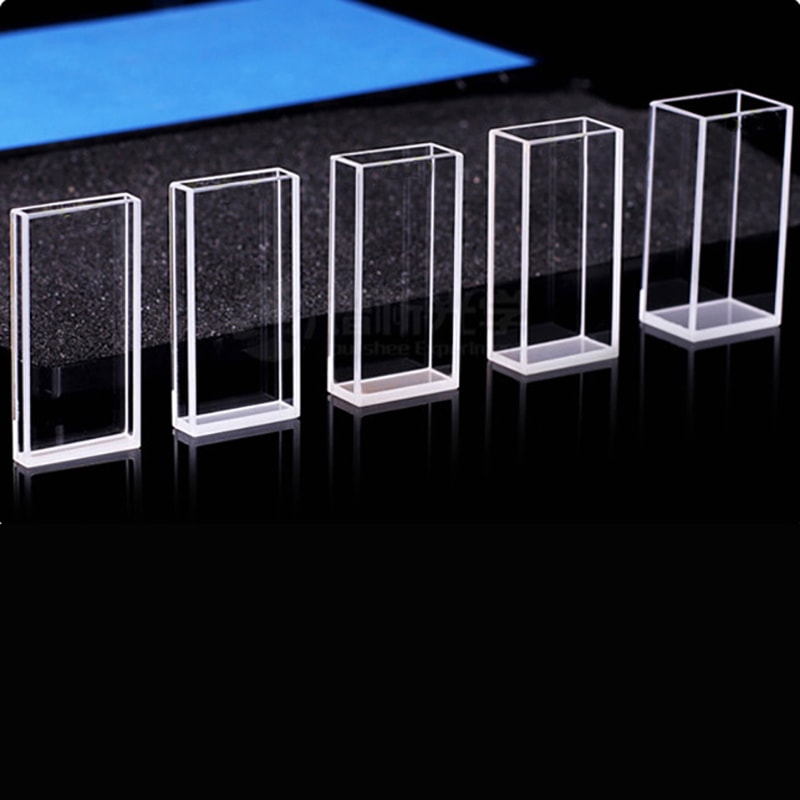
Image credit: cuvet.co
Power of Cuvette Path length
Imagine that a beam is passing through an object. The outcome is determined by the length of the path in the cuvette. This is the distance that light travels through the fluid. A standard 1cm path length cuvette can be the most popular choice for labs, striking a balance between sensibility and practicality. What is the significance of this? The longer the length of the light path, the greater the amount of light taken in. So, the light signal is amplified with sample that is diluted. In the case of concentrated solutions, such as nucleic or protein acids, a shorter route length could alter the way you play. This helps reduce dilution and protect the precious samples while reducing preparation time. What’s the key takeaway from this? It’s an art to align the length of a path with specifications for the sample. This increases the accuracy.
Cuvette Dimensions: A look at more than what meets the eye
The cuvette’s size doesn’t only concern the volume of liquid that can fit inside it’s about how the vessel works with the spectrophotometer. They are available in a variety of volumes and shapes to meet specific needs. Semi-micro cuvettes have smaller dimensions however, they have thicker walls. They are perfect for small sample volumes. Thicker walls shrink the space inside, allowing light to flow through the sample without losing one drop. This is an enormous improvement over the standard cuvette. It needs fewer steps to pipette, offers less room for error and produces results that are reliable. This is a clever tweak that shows size isn’t just a numerical value, it’s also a strategic factor.
The 1cm Path Length Cube is a Lab Favorite
What is the reason why the cuvette’s 1 cm length is used so often in experiments? It’s the ideal spot to conduct biological tests, where every milliliter is important. This classic design delivers consistently high absorbance without overpowering the detector. It’s suitable for everything from DNA purity checks to enzyme tests. It’s not a single-size hero. Switch it to a cuvette with a different length of path or the same geometry as one used for studies on emission and the data can skew dramatically. Precision depends on selecting the right tool and not just the one that is most familiar. A cuvette that is not properly matched can be compared to an un tuned instrument.
Material Matters: More Than Size and Path
Cuvette dimensions are only a small part of the tale. The choice of the material is the final piece. Quartz and glass cuvettes are well-known for their high rate of light transmission. They’re durable, reusable and suitable for demanding spectroscopy-related tasks. On the flip side plastic cuvettes add value and convenience to the table. Utilize them and dispose of them. There’s no need to wash the cuvettes, and there’s no chance of cross-contamination. These are great for quick aqueous tests, or DNA/RNA tests. What’s the price to pay? less accuracy in certain wavelengths. Quartz is the preferred material for those who are adamant about purity, whereas plastic is the material of choice for the pragmatic.
Precision in Practice
The versatility of cuvettes is the reason they are so attractive. With spacers, shorter paths can be utilized to deal with the most concentrated samples. Larger vessels are to handle larger volumes. The quality of the results are affected by the length of the path as well as the size and substance used. Consider a lab that is testing the amount of protein. A semimicro cuvette has shorter pathways, which reduces the need for dilution and delivers reliable data faster. Contrast that with a sloppy exchange of cuvettes in mid-experiment and the results will be shaky. This is a reminder that in spectrophotometry, the smallest details wield the biggest impact.
Cuvettes may seem small, but their significance is huge. From the 1cm length cuvette to custom dimensions which help bridge the gap between the sample and insight. If you’re after quality or precision, the right cuvette can turn a poor measurement into a superior one.